Many businesses launch a website and assume the work stops there. In reality, websites require ongoing maintenance to remain secure, fast, functional, and effective over time.
Website maintenance is not just about fixing problems when something breaks. Proper maintenance helps prevent issues before they happen while keeping the website performing properly for users and search engines.
In 2026, regular maintenance is one of the most important parts of protecting your website investment long-term.
Website Updates
One of the most important parts of website maintenance is keeping software updated. This includes:
- WordPress core updates
- Plugin updates
- Theme updates
- Security patches
Outdated software is one of the biggest causes of website vulnerabilities and compatibility issues.
Professional website maintenance helps ensure updates are managed safely and correctly.
Website Security
Security monitoring is another major part of ongoing maintenance. Websites are constantly exposed to spam, hacking attempts, malware, and automated attacks.
Maintenance often includes:
- Security monitoring
- Malware scanning
- Firewall protection
- Spam prevention
- Login protection
- Backup management
Reliable website hosting also plays a major role in website security and stability.
Performance Optimisation
Website performance can gradually decline over time if optimisation is ignored. Slow-loading websites often create poor user experience and can negatively affect SEO and conversions.
Maintenance may include:
- Cache optimisation
- Image optimisation
- Database cleanup
- Performance monitoring
- Core Web Vitals improvements
A professionally built business website combined with proper maintenance usually performs far more reliably long-term.
Website Backups
Regular backups are essential for protecting your website against data loss, hacks, update failures, or accidental mistakes.
Good maintenance plans usually include automated backups stored securely off-site so websites can be restored quickly if problems occur.
Without backups, even relatively small technical problems can become major business issues.
SEO and Content Updates
Website maintenance is not only technical. Ongoing content updates and SEO improvements also play a major role in keeping websites competitive online.
This can include:
- Updating service pages
- Publishing blog content
- Refreshing older content
- Improving internal links
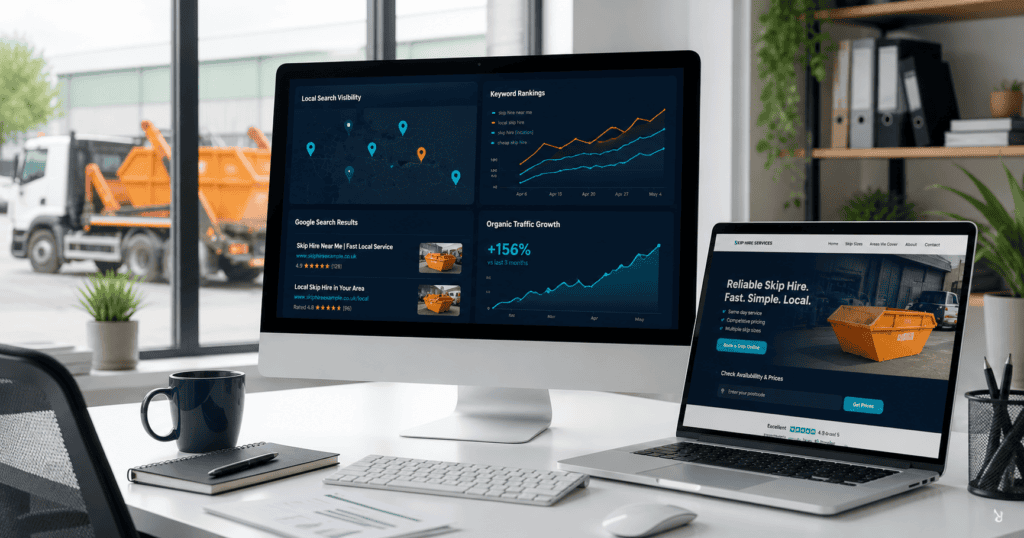
- Monitoring rankings and visibility
Strong SEO and high-quality website content both require ongoing attention over time.
User Experience and Functionality Checks
Regular testing helps ensure forms, buttons, mobile layouts, booking systems, and integrations continue working properly.
Small functionality issues can quietly reduce enquiries and damage user experience if left unnoticed.
Ongoing maintenance helps businesses identify and fix these issues before they become bigger problems.
Websites Are Not One-Time Projects
One of the biggest misconceptions about websites is that they can simply be launched and forgotten about. In reality, websites require continuous improvement and ongoing management.
Businesses investing in proper maintenance usually benefit from stronger security, better performance, improved SEO, and more reliable long-term results.
Final Thoughts
Website maintenance helps protect your website, improve performance, and keep everything functioning properly over time.
Regular updates, security monitoring, backups, optimisation, and SEO improvements all contribute to a healthier and more effective website long-term.
If you want help maintaining and improving your website properly, get in touch and we’ll help you keep everything running smoothly.