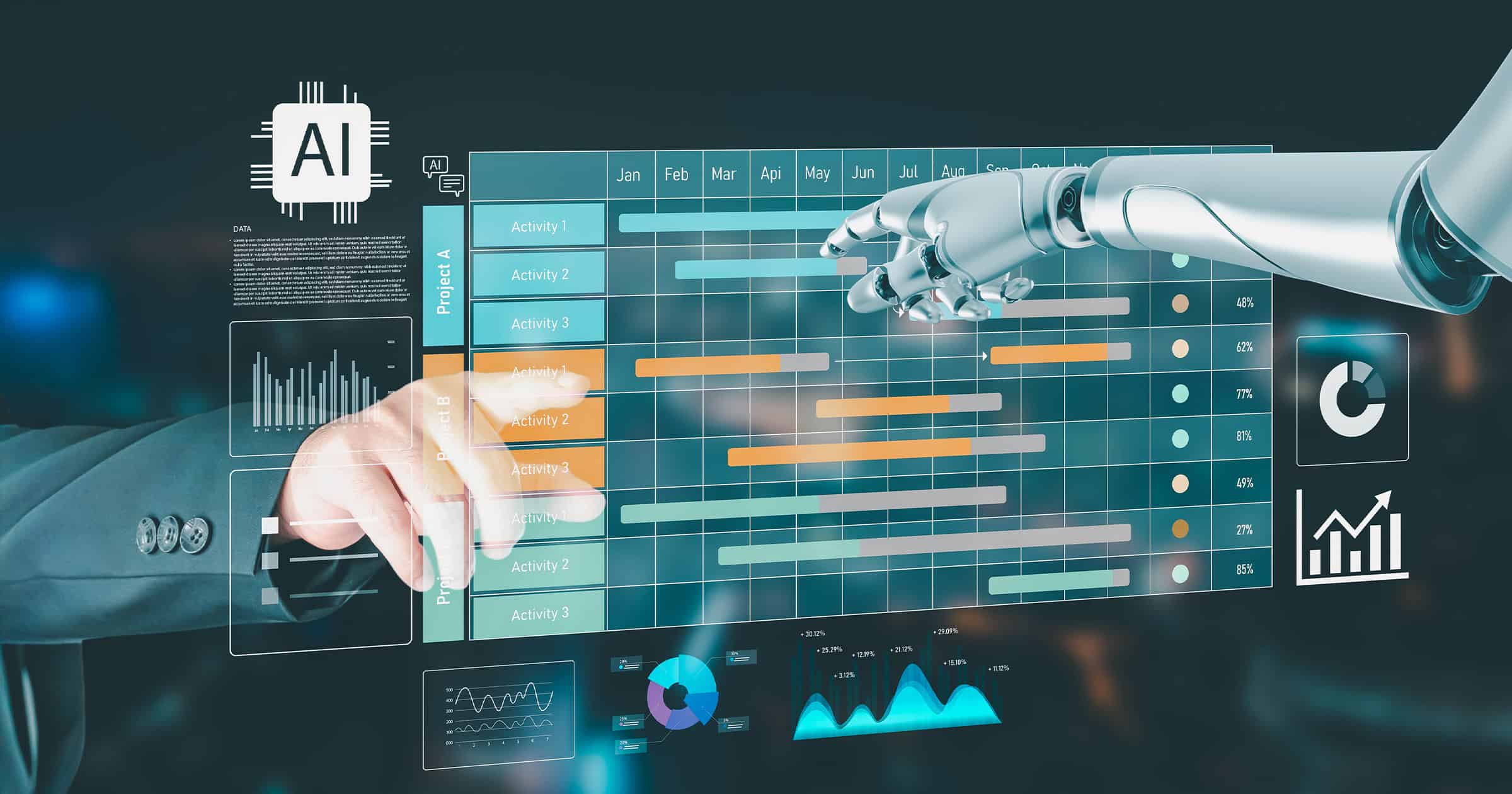
Many businesses waste hours every week on repetitive admin, manual processes, and tasks that could easily be automated. In 2026, AI tools are helping businesses reduce workload, improve response times, and create more efficient workflows without needing huge teams or complicated systems.
The key is identifying which tasks are repetitive, time-consuming, and predictable enough to automate properly. When used correctly, AI solutions for business can free up valuable time and help teams focus on higher-value work.
1. Lead Response and Enquiry Handling
One of the most common uses for AI is handling incoming enquiries. AI systems can instantly respond to leads, gather information, qualify enquiries, and direct customers to the correct next step.
This helps businesses reduce missed enquiries and improve response times dramatically.
Learn more in how AI can improve lead response and customer enquiries.
2. Appointment Booking
AI-powered booking systems can automate appointment scheduling, confirmations, reminders, and follow-ups. This reduces admin work and makes the booking process easier for customers.
Businesses using automation for bookings often improve customer experience while reducing manual workload.
3. Email Follow-Ups
Many leads are lost simply because follow-ups never happen. AI tools can automatically send follow-up emails, reminders, and nurture sequences based on customer actions or enquiry status.
This creates more consistent communication without requiring constant manual effort.
4. Customer Support Responses
AI chat systems can answer common customer questions, provide instant support, and reduce the pressure on internal teams.
While not every situation should be automated, AI can handle many repetitive support queries quickly and efficiently.
5. Data Entry and Admin Tasks
Manual admin tasks are often some of the biggest time drains inside businesses. AI systems can process forms, move data between systems, organise enquiries, and automate repetitive internal workflows.
This reduces human error and improves efficiency across the business.
6. Reporting and Analytics
AI tools can automatically generate reports, summarise performance data, and highlight important trends. Instead of manually compiling spreadsheets, businesses can receive clearer insights much faster.
This helps teams make quicker and more informed decisions.
7. Social Media Scheduling
AI-assisted scheduling tools can help businesses plan, organise, and publish content more efficiently across multiple social platforms.
While strategy and creativity still matter, automation can significantly reduce repetitive publishing tasks.
8. Internal Notifications and Workflow Triggers
AI systems can automatically trigger internal actions when specific events happen. For example, businesses can automate alerts for missed enquiries, completed forms, invoice reminders, or booking requests.
This creates faster communication and smoother internal processes.
9. CRM Updates and Lead Tracking
Updating CRMs manually can be repetitive and inconsistent. AI integrations can automatically update lead records, track interactions, and organise customer data.
This keeps systems cleaner and improves visibility across the sales process.
10. Content Assistance
AI tools can also help businesses generate ideas, structure content, summarise information, and assist with content workflows.
Strong website content still requires human oversight, but AI can help speed up repetitive parts of the process.
Useful website content remains one of the biggest drivers of SEO and online visibility.
Start Small and Build From There
Businesses do not need to automate everything immediately. The best approach is usually to start with one repetitive problem that wastes time or creates inefficiencies.
Once one workflow is working properly, automation can gradually expand into other areas of the business.
Many businesses begin by exploring AI business automation to identify their biggest opportunities.
Final Thoughts
AI automation is helping businesses save time, improve consistency, and reduce repetitive workload across multiple areas of operation.
When used correctly, automation allows teams to spend less time on admin and more time focusing on growth, customer experience, and higher-value work.
If you want to explore how automation could improve your business processes, get in touch and we’ll help you map out the right approach.