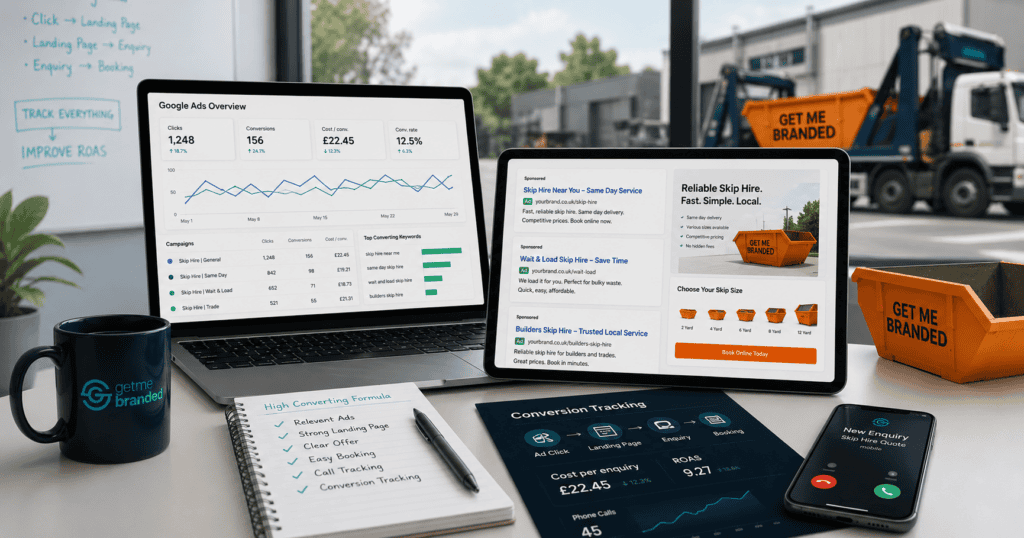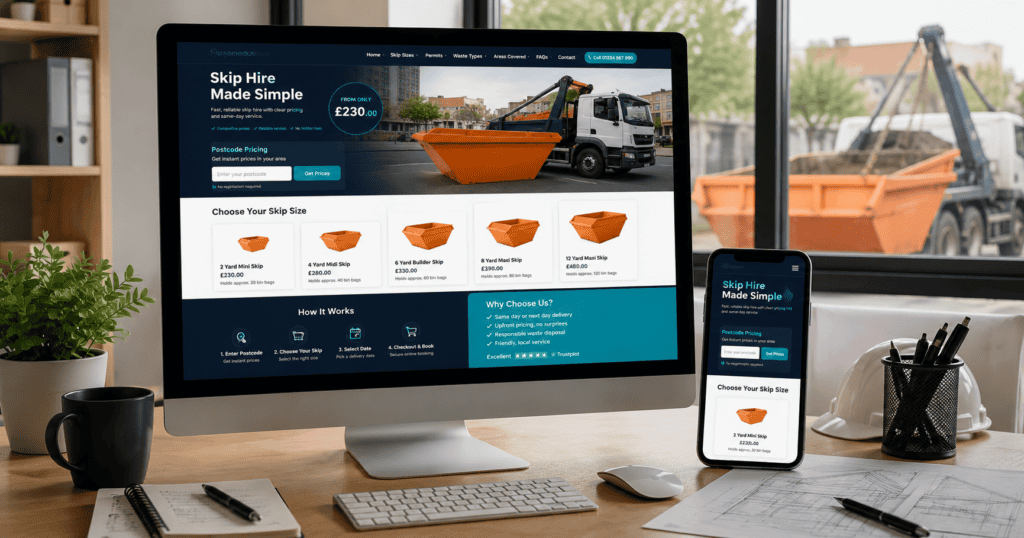
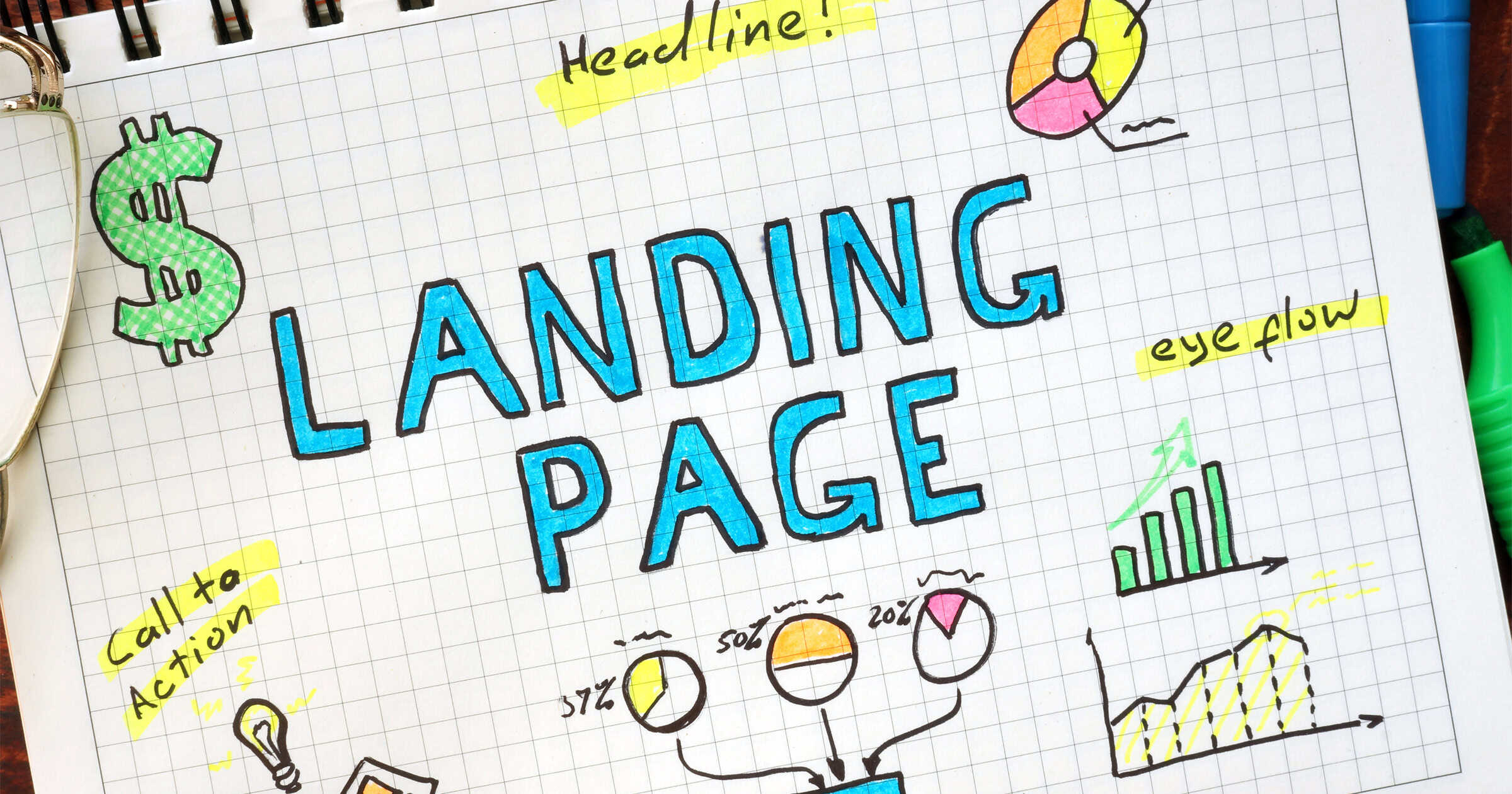
Landing pages are designed for one main purpose: converting visitors into enquiries or customers. Unlike standard website pages, landing pages focus on guiding users towards a single action without unnecessary distractions.
In 2026, businesses investing in paid ads, SEO, or lead generation campaigns rely heavily on landing pages to improve conversion rates and generate better results from their traffic.
A well-built landing page can dramatically increase enquiries compared to sending traffic to a generic homepage.
Clear Messaging Comes First
Visitors should immediately understand what the page is about. Confusing headlines, vague messaging, or cluttered layouts often cause users to leave quickly.
Strong landing pages clearly explain:
- What the service or offer is
- Who it is for
- What problem it solves
- Why visitors should trust the business
- What the next step should be
Strong website content plays a major role in improving clarity and conversions.
A Landing Page Should Focus on One Goal
One of the biggest differences between landing pages and general website pages is focus. High-converting landing pages are usually designed around a single action or campaign objective.
This could include:
- Requesting a quote
- Booking a consultation
- Submitting an enquiry form
- Calling the business
- Downloading information
Too many competing actions or distractions can reduce conversion rates significantly.
Trust Signals Matter
Visitors are far more likely to convert when they trust the business behind the page. Strong trust signals help reduce hesitation and build confidence quickly.
Common trust elements include:
- Customer reviews and testimonials
- Case studies
- Professional branding
- Clear contact information
- Industry experience
- Strong visual presentation
Professional branding plays a major role in creating stronger first impressions and improving perceived trustworthiness.
Speed and Mobile Experience Affect Conversions
Many visitors now arrive on landing pages through mobile devices. If the page loads slowly or performs poorly on smaller screens, conversion rates often drop quickly.
A high-performing business website should load quickly, feel easy to navigate, and work properly across all devices.
Reliable website hosting and ongoing optimisation also support better performance.
Strong Calls-to-Action Improve Results
Visitors should never feel unsure about what to do next. High-converting landing pages use clear and visible calls-to-action throughout the page.
Calls-to-action should feel:
- Clear
- Visible
- Simple to follow
- Relevant to the page goal
Weak or hidden calls-to-action are one of the biggest reasons landing pages fail to convert properly.
SEO and Paid Ads Both Benefit From Better Landing Pages
Landing pages are commonly used for both SEO and paid advertising campaigns.
For paid ads, landing pages help improve conversion rates and make campaigns more efficient. For SEO, focused service pages can improve relevance and search visibility.
Learn more in SEO vs paid ads: where should a small business start?
Good Landing Pages Reduce Friction
The best landing pages remove unnecessary friction and make taking action feel easy. Clear structure, focused messaging, fast loading speed, and trust signals all work together to improve conversion rates.
Even relatively small improvements can make a noticeable difference to enquiry volume over time.
Final Thoughts
High-converting landing pages combine clarity, trust, strong calls-to-action, and good user experience to guide visitors towards enquiries.
Businesses investing in digital marketing often see significantly better results when traffic is directed to properly optimised landing pages instead of generic website pages.
If you want landing pages that generate more enquiries and support your marketing campaigns properly, get in touch and we’ll help you build the right setup.