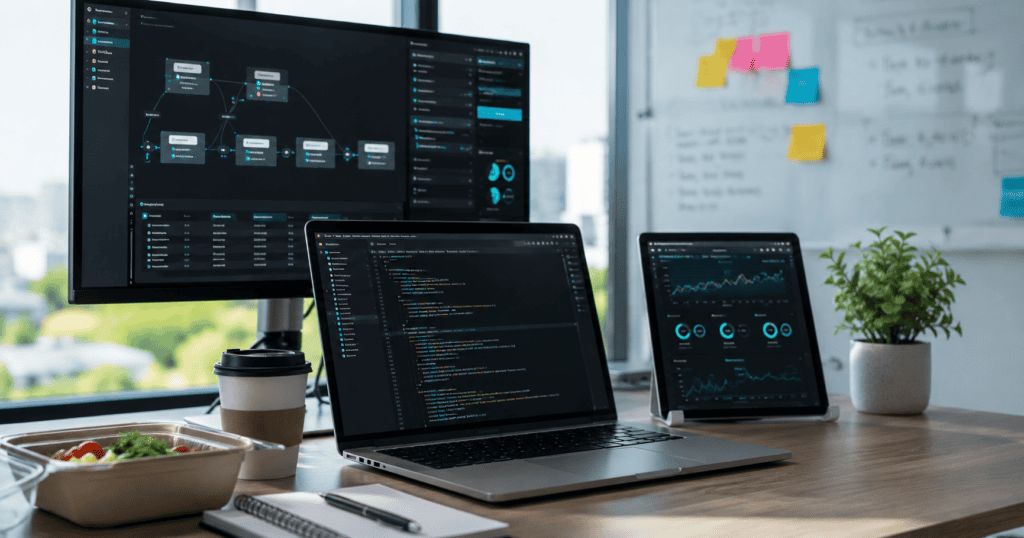
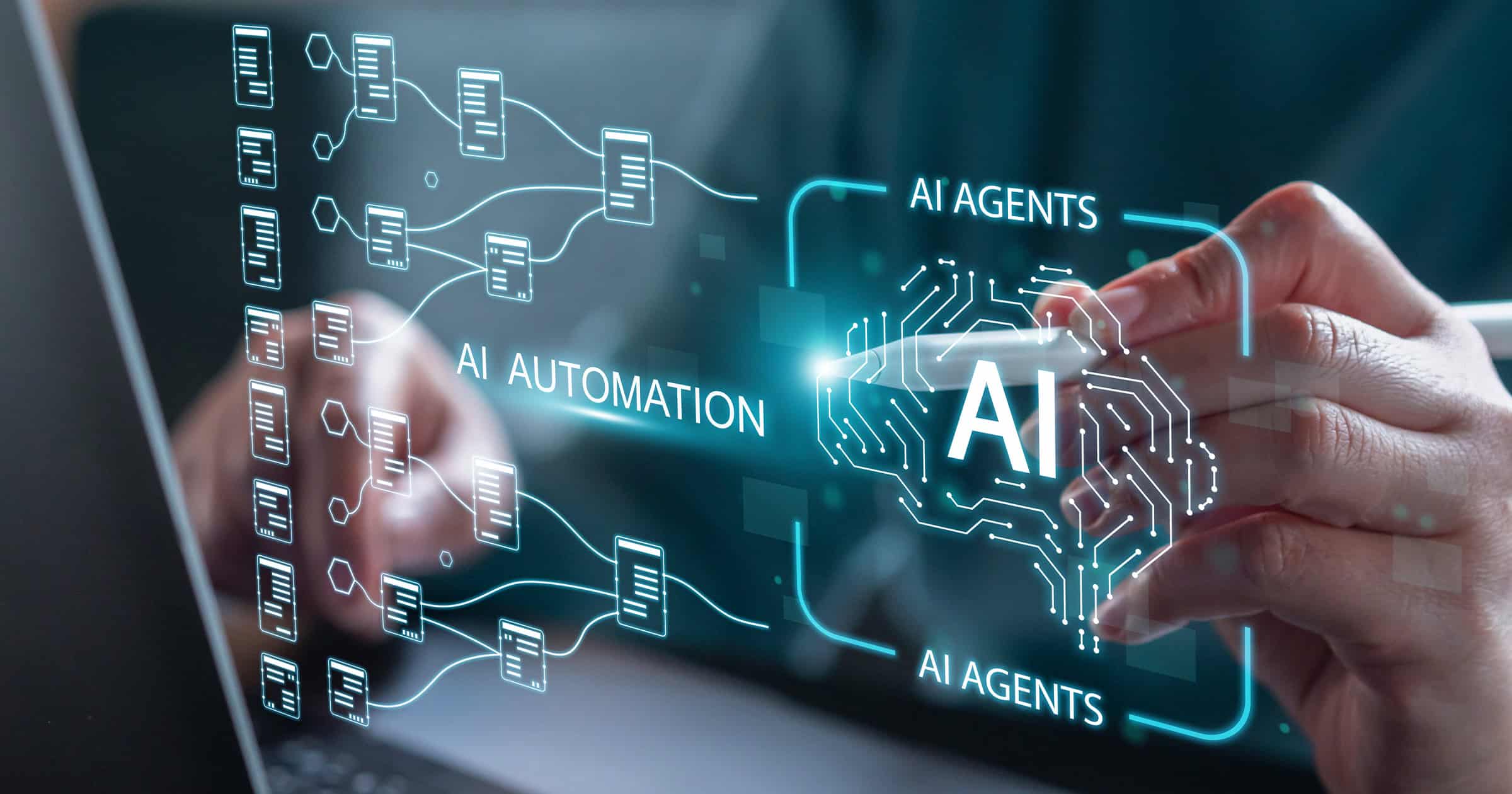
AI business automation is becoming one of the biggest opportunities for small businesses looking to save time, improve efficiency, and reduce repetitive manual work.
In simple terms, AI automation uses software and intelligent systems to handle repetitive processes that would normally require manual input from staff.
For many small businesses, automation is not about replacing people. It is about improving workflows, reducing admin, and allowing teams to focus on higher-value tasks.
What Does AI Business Automation Actually Mean?
AI business automation combines automation tools with artificial intelligence to streamline business processes.
Traditional automation usually follows fixed rules and workflows. AI automation adds more intelligent decision-making, pattern recognition, and adaptability.
Modern AI solutions can help businesses automate tasks that previously required large amounts of manual effort.
What Types of Tasks Can Be Automated?
Many small businesses are surprised by how many repetitive tasks can now be automated using AI-powered systems.
Common examples include:
- Lead response and enquiry handling
- Email follow-ups
- Appointment scheduling
- CRM updates
- Customer support assistance
- Reporting and analytics
- Internal workflow management
- Data entry and organisation
See more examples in 10 repetitive tasks your business can automate with AI.
Why Small Businesses Are Turning to Automation
Small businesses often operate with limited time and resources. Repetitive admin and manual processes can quickly consume valuable hours every week.
Automation helps businesses improve efficiency without necessarily increasing staff numbers.
Benefits of AI automation can include:
- Faster response times
- Reduced manual workload
- Improved consistency
- Better customer experience
- Fewer missed enquiries
- More efficient internal workflows
AI Automation Improves Lead Handling
One of the most common uses for AI automation is lead management and customer enquiry handling.
AI systems can instantly respond to enquiries, gather customer information, trigger follow-ups, and organise leads automatically.
This helps businesses improve response speed and reduce lost opportunities.
Learn more in how AI can improve lead response and customer enquiries.
Automation Still Needs Human Oversight
AI automation works best when it supports people rather than completely replacing them. Human oversight is still important for customer relationships, strategic decisions, and more complex situations.
The goal is usually to reduce repetitive tasks while allowing teams to focus on work that genuinely benefits from human input.
Good Digital Foundations Still Matter
Businesses adopting automation still need strong digital infrastructure underneath everything else.
This includes:
- Clear website structure
- Strong content
- Reliable systems and hosting
- SEO foundations
- Consistent branding
A professionally built business website provides a much stronger foundation for automation and lead handling systems.
Strong branding and SEO also support long-term visibility and trust.
Start Small and Scale Gradually
Most businesses do not need to automate everything immediately. The best approach is usually to identify one repetitive problem first and automate that process properly.
Once businesses see the time savings and efficiency improvements, automation can gradually expand into other areas.
Final Thoughts
AI business automation is helping small businesses improve efficiency, reduce repetitive workload, and create smoother customer experiences.
When implemented properly, automation allows businesses to focus more time on growth, strategy, and customer relationships instead of repetitive admin tasks.
If you want to explore how AI automation could support your business, get in touch and we’ll help you identify the best opportunities.